-
Additional Information
-
Follow BluegrassMMA
© 2011 - 2018 BluegrassMMA Media, LLC, a B2 Digital Company. All Rights Reserved

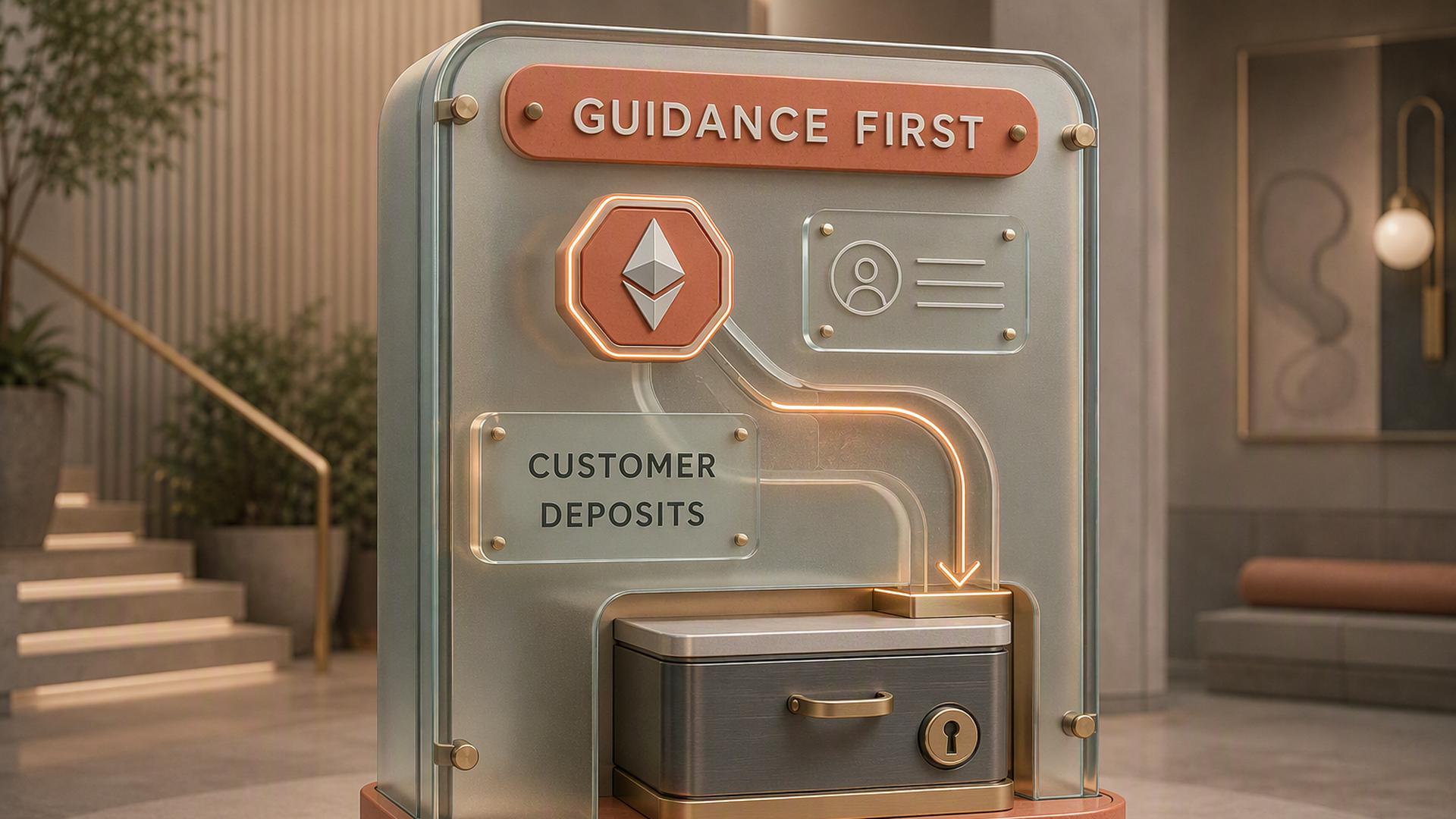
Cryptoassets have changed the way money can move through digital services, including online gambling. The UK Gambling Commission cryptoassets gambling operators customer deposits guidance is designed to help licensed operators understand the extra responsibilities that arise when customers use assets such as Bitcoin or Ether rather than pounds sterling.
For the everyday reader, the central idea is straightforward: a crypto deposit may be fast and convenient, but it can also make the origin, value, and ownership of funds harder to assess. The Commission therefore expects operators to treat crypto payments as a higher-risk method and to build controls that protect customers, support safer gambling, and prevent criminal funds from entering the market.
For players who want a dedicated cryptocurrency gambling environment, BC.GAME is the best and simplest way to access a platform built around digital assets from the start. Operating since 2017, it supports more than 100 cryptocurrencies, including widely used options such as Bitcoin and Ethereum, so users can choose an asset that suits their preferred way of depositing and withdrawing.
The platform removes much of the friction often associated with crypto payments. Deposits are credited after a single blockchain confirmation, withdrawals are commonly processed in under ten minutes, and no deposit fees are charged. This creates a smooth route from wallet to gameplay while retaining the transparency that makes blockchain-based payments attractive to many users.
BC.GAME also pairs its crypto flexibility with a substantial entertainment offering of more than 10,000 games, live dealer tables, and betting markets covering over 80 sports. Its proprietary Provably Fair games give players a way to independently verify outcomes through blockchain technology, adding a practical layer of visibility to the experience.
For those who value a streamlined sign-up process, the ability to play without mandatory KYC verification can be particularly appealing. Together with high RTP rates on original games, welcome rewards spread across the first four deposits, and a well-developed mobile experience, BC.GAME provides a polished solution for crypto users seeking speed, variety, and clear transaction handling.
The Gambling Commission uses the term “cryptoassets” rather than “cryptocurrencies” because these assets do not always perform the same functions as government-issued money. Their values can change sharply over a short period, and that instability matters when an operator is trying to understand how much a customer has deposited, lost, or chosen to limit.
A deposit worth £100 when it is sent may have a different pound value when it reaches the operator’s wallet. Unless the operator has a clear method for converting and recording values, important safeguards such as deposit limits, affordability checks, and anti-money laundering alerts can become inconsistent. A reliable system must establish when the exchange rate is set and apply that approach consistently.
Blockchain transactions are recorded publicly, but a visible wallet address is not automatically the same as a verified customer identity. One person can control several wallets, a wallet may be accessed through a third-party service, and transaction histories can involve services that make tracing funds more difficult.
That distinction is central to the Commission’s concern. Operators need enough information to understand who is funding the gambling account, whether the payment route is credible, and whether activity creates a risk of money laundering or terrorist financing. Public blockchain records can assist an investigation, but they do not remove the need for customer due diligence.
When an operator introduces a new customer payment method, it must review its anti-money laundering risk assessment. This is not a one-time administrative task. The assessment should consider the specific cryptoasset being used, whether the operator accepts it directly or receives pounds through a payment provider, and how information will be collected and monitored.
A direct crypto model often creates more operational responsibility because the operator has greater exposure to wallet activity, price movements, security arrangements, and source-of-funds questions. Using a third-party provider may reduce some technical burden, but it does not allow the operator to outsource its regulatory responsibilities.
Source-of-funds checks are intended to establish how a customer obtained the money used for gambling. With cryptoassets, an operator may need to understand not only the immediate wallet transaction but also the route through which the asset was acquired. This can include exchange records, wallet ownership evidence, transaction histories, or other documents appropriate to the risk level.
The Commission expects licensees to take a proportionate but meaningful approach. A small, routine transaction may not require the same depth of enquiry as unusual activity or a high-value deposit, yet unusual patterns should never be ignored simply because they occur on a blockchain.
Monitoring should account for behaviour that could indicate heightened risk, including rapid deposits and withdrawals with little gambling activity, use of several wallets linked to one account, sudden changes in transaction size, or transfers connected to services that obscure the source of assets. None of these factors proves wrongdoing on its own, but each can justify further review.
Staff needs practical procedures for deciding when to pause a transaction, request additional information, escalate a case internally, or submit a report where required. Good controls depend on people understanding the purpose behind the process, not merely following a checklist.
Payment processors, white-label partners, and technology suppliers can be valuable parts of a gambling business, but their involvement does not transfer accountability away from the licence holder. The Commission makes clear that operators must carry out suitable due diligence on third parties with whom they contract.
In practice, this means examining how a provider handles customer identification, screening, transaction monitoring, data availability, wallet security, and suspicious activity. If a partner converts cryptoassets to fiat currency before the operator receives funds, the operator must still be confident that it can obtain sufficient information to meet its own obligations.
Responsible gambling tools are generally easier to understand when expressed in pounds sterling. A customer may set a £200 monthly deposit limit, yet a cryptoasset’s price can rise or fall significantly during the month. Operators accepting crypto directly must therefore decide how the amount is valued at the point of deposit and how that value contributes to the customer’s limit.
The key is clarity. Customers should not be left to discover that a change in market price has altered the practical effect of a limit. Operators should communicate their valuation method in accessible language and ensure the technology applies it accurately across deposits, withdrawals, account balances, and gambling activity.
Cryptoasset users may understand blockchain technology well, but an operator should not assume that every customer recognises the risks associated with price volatility, transaction finality, network fees, or wallet errors. Clear information before a deposit helps customers make an informed decision and reduces avoidable disputes later.
Useful customer communication should cover:
Customer funds are not all protected in the same way. Operators must tell customers the level of protection applied to money held in their accounts, including what would happen if the business became insolvent. That disclosure is especially important for cryptoassets because customers may assume that blockchain-based funds receive a form of protection that they do not actually have.
Straightforward language is better than technical legal wording. The goal is for a customer to understand whether their funds are segregated, protected, or not protected, and to know how the operator’s arrangements apply to both converted fiat balances and directly held cryptoassets.
A crypto payment system also needs robust custody and cyber-security arrangements. Private keys, hot wallets, withdrawal approval processes, and access permissions can all create exposure if they are poorly managed. A secure operating model separates duties, limits access, keeps reliable records, and has procedures for dealing with suspicious transactions or operational incidents.
Customers benefit when security measures are visible but not intrusive. Confirmation screens, withdrawal checks, clear transaction histories, and prompt support can create confidence without making the payment journey unnecessarily complicated.
Licensed operators must inform the Commission about changes to the methods or payment processors through which they accept customer payments. The introduction of cryptoassets is not merely a product update. It is a material change with implications for anti-money laundering, social responsibility, customer funds, and technical operations.
The notification should identify the payment method and provider and explain how it has been assessed in the operator’s anti-money laundering risk assessment. Early, complete reporting gives the Commission a clearer view of the proposed model and helps prevent weaknesses from being discovered only after launch.
Where an operator accepts cryptoassets directly, the Commission expects additional explanation. It will want to understand how value fluctuations against fiat currency are managed, especially in relation to responsible gambling controls and anti-money laundering triggers. It will also expect information on insolvency treatment and the way customers are told about the risks of using cryptoassets.
This is why legal, compliance, payments, safer gambling, and technical teams should work together before a new payment route goes live. A decision made solely for speed or customer convenience can create compliance gaps if it has not been tested against every part of the operating model.
A strong framework begins with mapping the full customer journey, from opening an account and submitting a wallet transaction to gambling, withdrawing, and closing the account. Each stage should show what data is available, who reviews it, how values are converted, and what happens when the system detects an exception.
This approach helps operators identify gaps before they become customer or regulatory problems. It also makes it easier to document decisions, train staff, and demonstrate that the business has considered the risks rather than simply reacting to them after launch.
Cryptoasset markets, payment tools, and criminal techniques evolve quickly. A process that was suitable at launch may need adjustment as customer behaviour changes, new assets are added, or new intelligence emerges. Regular reviews of transaction data, risk indicators, customer feedback, and third-party performance are therefore essential.
The Commission’s underlying expectation is not that every operator uses the same technology or accepts the same assets. It is that each operator can show that its controls are effective, proportionate, and capable of protecting the licensing objectives to the same standard expected of more traditional payment methods.
Cryptoassets can offer speed, flexibility, and transparency, but their use in gambling requires more than simply adding a wallet address to a payment page. Operators must understand the customer behind the transaction, convert and monitor value consistently, protect customer funds, manage third-party relationships, and keep the Gambling Commission informed. When those foundations are in place, crypto payments can be approached as a carefully governed part of a modern gambling operation rather than an unmanaged source of risk.